
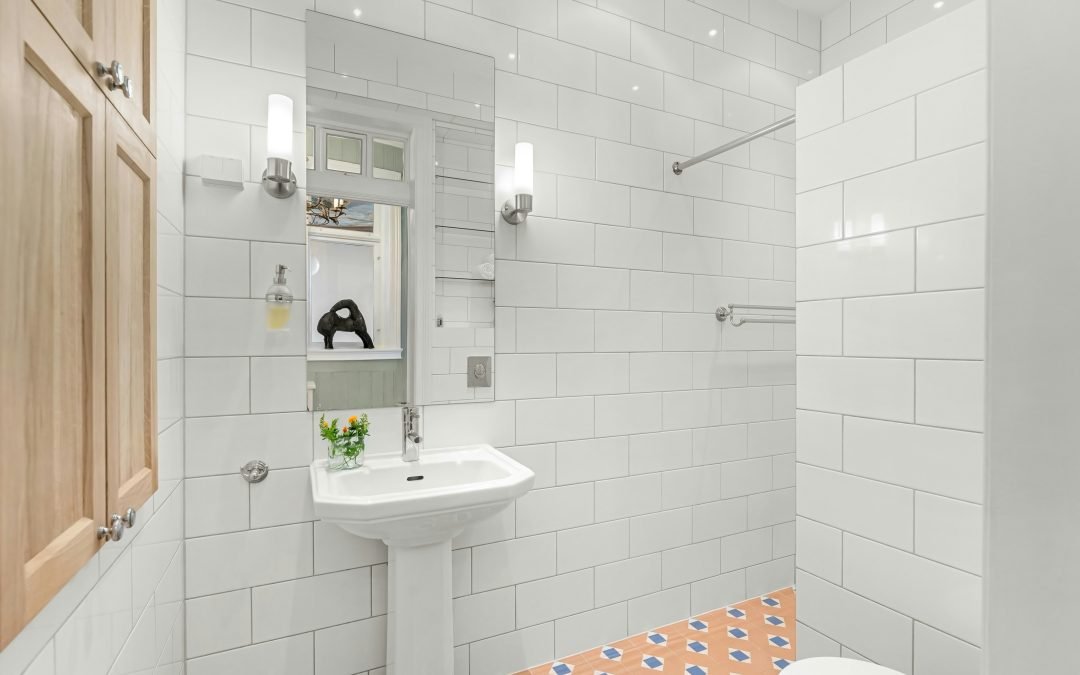
Choosing the right tile for your bathroom is more than just picking a colour you like—it’s about durability, moisture resistance, safety, and of course, style. If you’re wondering what are the recommended tiles for bathroom, here’s a deep dive into the best materials, design tips, and installation considerations to help you make smart choices.
Why Tile Selection Matters in Bathrooms
Bathrooms are high-moisture, high-traffic zones. Tiles must cope with water, humidity, frequent cleaning, and sometimes heavy usage from showers and tubs. One of the top priorities is using materials that are water-resistant, easy to clean, and don’t require constant maintenance. Getting the tile right means your bathroom will look better, last longer, and require less upkeep.
Best Tile Materials for Bathroom Floors & Walls
Porcelain Tile
Porcelain is consistently one of the top choices for bathroom floors and walls because of its density, water resistance, and durability. It’s denser and less porous than most ceramic tiles, making it ideal for moisture-prone spaces.
Pros:
- Strong and highly water-resistant
- Available in many styles (stone look, wood look, concrete look)
- Long-lasting and suitable for high-traffic areas
Cons:
- More expensive than ceramic
- Heavier and slightly harder to install
Ceramic Tile
Ceramic is a popular and budget-friendly option, especially for walls or less-trafficked areas. It’s lighter, easier to cut, and generally more affordable than porcelain, yet still provides good moisture resistance when properly glazed.
Pros:
- Wide variety of colours, textures, and finishes
- Great for walls and decorative spaces
- Often lower in cost and easier to install
Cons:
- Less durable than porcelain for heavy use
- Can absorb more water if not sealed correctly
Natural Stone & Specialty Tiles
If you’re aiming for a luxurious or one-of-a-kind finish, natural stone tiles like marble, limestone, or travertine make a stunning statement. However, they require more maintenance, such as sealing to prevent staining. Glass and mosaic tiles can also add texture and a touch of artistry to bathrooms.
Pros:
- Unique textures and rich, natural finishes
- Adds a sense of elegance and value to your space
Cons:
- Higher cost and more maintenance required
- Can be slippery and porous if not properly treated
Tile Size, Finish & Safety Considerations
Material is only part of the equation. Size, finish, and slip resistance are equally important when selecting recommended tiles for bathroom areas.
- Size: Large format tiles (12×24 inches or bigger) reduce grout lines, making small bathrooms appear more spacious. Smaller tiles work better for shower floors, as they allow proper drainage and grip.
- Finish: For floors, matte or honed finishes are safer and less slippery. Glossy finishes are best for walls, as they’re easy to wipe clean and reflect light.
- Grout and joints: Fewer grout lines mean easier cleaning and less mildew buildup. Choose mould-resistant grout for longevity.
- Slip resistance: Always check the tile’s slip rating. A textured or matte tile with high friction is safer for wet areas.
- Water absorption: Choose tiles with low water absorption rates, especially for shower areas—porcelain performs best here.
Where to Use What
Different bathroom zones have different demands. Here’s a quick guide to using the right tile in the right place:
- Walls (above floors and around showers): Ceramic tiles are perfect for walls due to their wide design range and affordability. Porcelain is better for high-moisture areas.
- Shower floors: Small porcelain mosaics or textured tiles work best for slip resistance and water drainage.
- Main bathroom floors: Porcelain offers durability and water resistance, making it ideal for floors. Ceramic can be used in less wet zones.
- Accent walls or decorative areas: Natural stone, glass, or mosaic tiles can add personality and luxury to your space.
Style & Design Recommendations
- Stick with a cohesive palette: Neutral tones like grey, beige, and white create a timeless look and pair well with most bathroom fixtures.
- Add character thoughtfully: Use patterned or coloured tiles as accents instead of covering the entire space.
- Use scale strategically: Large tiles make a bathroom feel open; small tiles add texture and grip in wet areas.
- Mix finishes: Combine matte floor tiles with glossy wall tiles for balance and depth.
- Go for low-maintenance elegance: Many porcelain tiles now mimic marble or terrazzo beautifully—offering the look of stone without the upkeep.
Common Mistakes to Avoid
- Using polished, slippery tiles on floors: Always opt for matte or textured finishes in wet areas.
- Choosing tiles based only on looks: Consider durability, slip resistance, and maintenance before deciding.
- Ignoring waterproofing: Even the best tiles won’t help if your shower base or walls aren’t properly sealed.
- Over-mixing patterns and textures: Too many designs can make a small bathroom look cluttered.
- Skipping professional installation: Especially for porcelain and stone, professional fitting ensures longevity and proper sealing.
Quick Recommendations
If you’re still unsure which tile to pick, here’s a simple guide:
- Best for all-round performance: Porcelain tiles
- Best for budget projects: Ceramic tiles
- Best for luxury feel: Natural stone tiles
- Best for feature walls: Glass or mosaic tiles
- Best for safety: Textured or matte-finish porcelain
Final Thoughts
When choosing recommended tiles for bathroom, aim for a balance of practicality and style. Porcelain is your best all-purpose option for floors and shower areas, while ceramic offers affordability and versatility for walls. Natural stone and specialty tiles can enhance your design when used strategically.
The right combination of material, finish, and layout will not only make your bathroom beautiful but also easy to maintain for years to come. With a little planning and attention to detail, you can create a space that feels clean, modern, and timeless.