
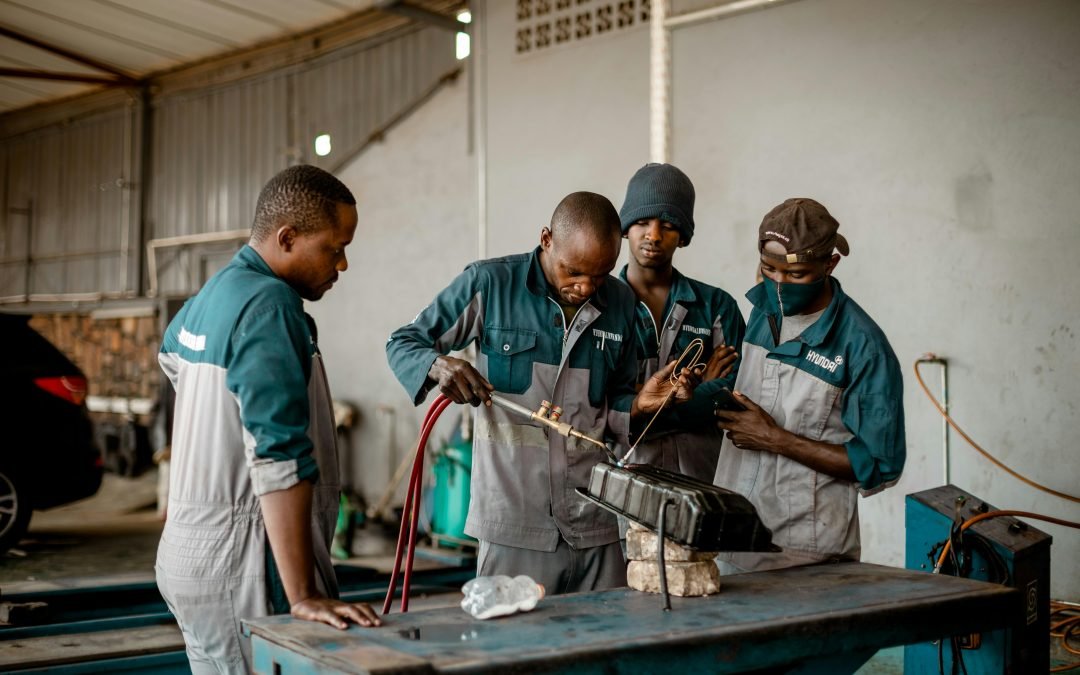
Finding the right team of skilled laborers can make or break a project. Whether you are managing construction, manufacturing, or specialized maintenance work, having a competent workforce ensures efficiency, safety, and quality. However, hiring the right professionals is not always straightforward. This guide will explain exactly how to hire skilled labor teams so your projects run smoothly and deliver excellent results.
Understand Your Project Requirements
The first step in hiring skilled labor is identifying the specific needs of your project. Consider:
- Type of work: Determine if you need electricians, carpenters, plumbers, welders, or general laborers.
- Project size and timeline: Larger projects may require multiple teams working simultaneously.
- Skill level required: Decide whether you need entry-level workers, certified professionals, or highly specialized experts.
Knowing the exact requirements allows you to target the right talent efficiently and avoid hiring mismatched labor.
Where to Find Skilled Labor Teams
There are several avenues for finding experienced laborers:
- Local trade schools and vocational programs: Graduates often seek hands-on experience and bring up-to-date training.
- Employment agencies and labor contractors: Provide vetted teams and reduce the hiring burden.
- Online job platforms: Websites like Indeed, LinkedIn, or specialized labor portals connect you with skilled professionals.
- Industry referrals: Ask colleagues, suppliers, or professional associations for recommendations.
According to the U.S. Bureau of Labor Statistics, employment in skilled trades continues to grow steadily, making it important to explore multiple sources for talent.
Verify Skills and Experience
Once potential candidates are identified, verification is essential:
- Check certifications and licenses: Ensure workers meet legal and industry requirements.
- Review portfolios or past projects: Assess their quality, reliability, and experience level.
- Conduct interviews: Ask about problem-solving skills, safety knowledge, and teamwork.
- Request references: Speak to previous employers or clients to confirm performance.
These steps ensure that the labor team you hire is competent, trustworthy, and suited to your project.
Consider Team Size and Structure
A skilled labor team is not just about individual abilities but also about how well the team functions together:
- Determine the number of workers needed: Match team size to project scope and deadlines.
- Define roles clearly: Assign leaders, supervisors, or specialized positions to avoid confusion.
- Assess team chemistry: Teams that communicate well tend to be more efficient and productive.
Choosing the right combination of skills and teamwork ensures smooth project execution.
Set Clear Expectations and Contracts
Setting expectations upfront prevents misunderstandings and ensures accountability:
- Define scope of work: Clearly outline tasks, responsibilities, and deliverables.
- Agree on schedules: Include work hours, project milestones, and deadlines.
- Specify payment terms: Include rates, invoicing procedures, and penalties for delays if necessary.
- Include safety and compliance rules: Protect your business and workers by documenting safety protocols.
A well-structured contract creates clarity for both parties and safeguards the success of your project.
Prioritize Safety and Training
Skilled labor teams often work in environments with potential hazards. Ensuring safety is crucial:
- Provide necessary safety equipment: Helmets, gloves, and protective gear.
- Offer training sessions: Regularly update workers on safety procedures and new technologies.
- Implement supervision: On-site supervisors ensure adherence to safety protocols.
A safe workplace reduces accidents, boosts morale, and keeps your project on track.
Leverage Technology and Tools
Modern projects benefit from technology that improves efficiency and management:
- Project management software: Track tasks, schedules, and team performance.
- Digital timekeeping: Accurately monitor labor hours and productivity.
- Communication tools: Keep the team coordinated through apps and platforms.
Using technology streamlines your workflow and helps you make informed decisions about labor management.
Monitor Performance and Provide Feedback
Even after hiring a skilled team, ongoing monitoring is essential:
- Regular progress checks: Identify bottlenecks or quality issues early.
- Offer constructive feedback: Encourage improvements and recognize achievements.
- Adjust teams as needed: Reassign or supplement workers to meet evolving project demands.
Continuous oversight ensures that your team delivers high-quality results consistently.
Conclusion
Learning how to hire skilled labor teams involves understanding your project needs, sourcing candidates, verifying skills, setting expectations, and providing ongoing support. The right team improves productivity, ensures safety, and delivers high-quality outcomes. By following these strategies, you can assemble a competent workforce that drives your projects forward successfully.