Every industry is feeling the pressure right now. Technology is evolving, customer expectations are higher, and businesses need people who can actually do the work, not just talk about it. That is why conversations around skills have become impossible to ignore. Understanding How skilled labor training improves workforce quality is no longer just an HR topic. It is a business survival strategy.
Whether you run a small company or manage a large organization, investing in skilled labor training has a direct impact on productivity, safety, morale, and long-term growth. Let’s break down why this matters and how it shows up in real workplaces every day.
The Growing Skills Gap Is a Real Challenge
Many employers struggle to find workers with the right hands-on abilities. This issue is not limited to construction or manufacturing. Healthcare, logistics, energy, and even tech roles are affected.
According to the World Economic Forum, nearly 44 percent of workers’ core skills are expected to change by 2027. That means relying on outdated knowledge is no longer enough. Training is essential to keep workers effective and competitive.
This is the foundation of How skilled labor training improves workforce quality. It closes the gap between what jobs require and what workers can actually deliver.
What Skilled Labor Training Really Means
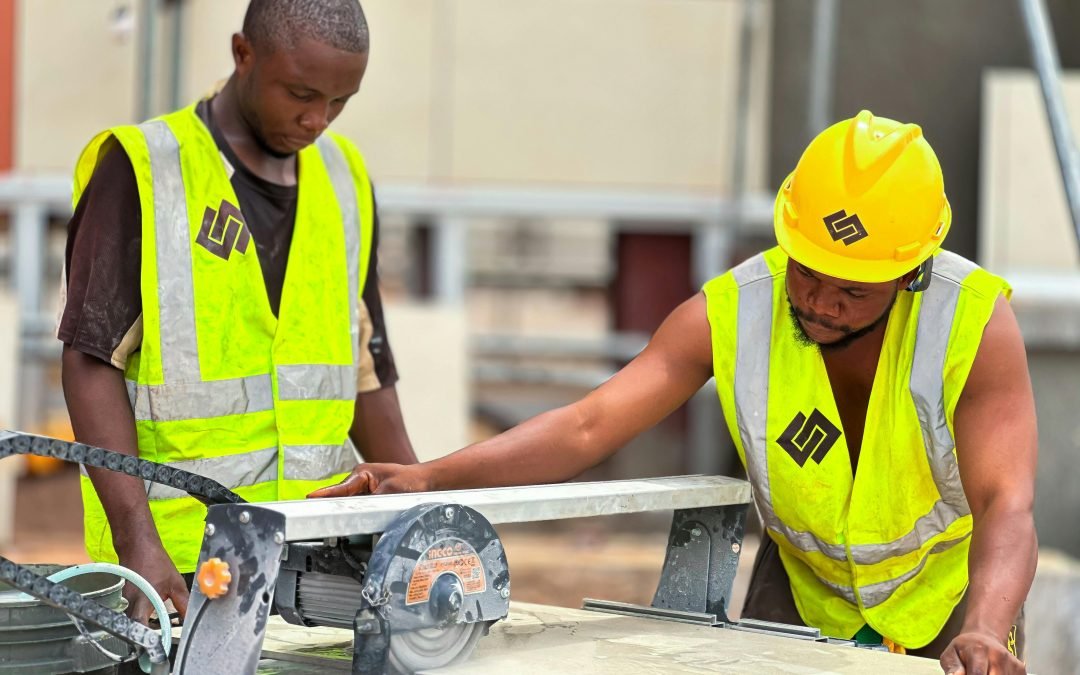
Skilled labor training is not just classroom learning or theory. It focuses on practical, job-specific abilities that workers use every day.
This type of training often includes:
- Hands-on technical instruction
- Safety and compliance education
- Apprenticeships and mentorship programs
- Equipment and technology training
- Problem-solving and decision-making skills
When workers learn by doing, they gain confidence and competence much faster than through theory alone.
Productivity Improves When Skills Improve
One of the most immediate benefits of skilled labor training is higher productivity. Workers who understand their tools, processes, and responsibilities complete tasks more efficiently and with fewer mistakes.
The US Bureau of Labor Statistics has consistently shown that productivity growth is closely linked to workforce skill levels. Trained workers require less supervision, adapt faster to changes, and contribute more consistently to team output.
This is a clear example of How skilled labor training improves workforce quality in measurable ways.
Quality of Work Becomes More Consistent
Consistency matters in every industry. Customers expect reliable results, not surprises. Skilled training helps standardize processes and reduce variability in outcomes.
Benefits include:
- Fewer defects and rework
- Better adherence to standards
- Improved customer satisfaction
- Stronger brand reputation
In manufacturing, for example, a single error can cause costly delays. Training workers to recognize issues early protects both time and resources.
Safety Gets a Major Boost
Workplace safety is directly connected to skill level. Employees who understand equipment, procedures, and risks are far less likely to cause or experience accidents.
The Occupational Safety and Health Administration reports that employers save between 2 and 6 dollars for every dollar invested in safety and health training. That includes reduced injuries, lower insurance costs, and fewer disruptions.
Safety is a powerful part of How skilled labor training improves workforce quality, especially in physically demanding industries.
Employee Confidence and Morale Increase
People want to feel capable at work. When employees receive proper training, they feel valued and supported instead of overwhelmed.
This leads to:
- Higher job satisfaction
- Lower turnover rates
- Stronger team collaboration
- Greater willingness to take responsibility
A LinkedIn Workplace Learning Report found that 94 percent of employees would stay longer at a company that invests in their learning and development. Training is not just about skills. It is about trust and motivation.
Training Supports Career Growth and Retention
Skilled labor training creates clear pathways for advancement. Workers see opportunities to grow instead of feeling stuck.
Examples include:
- Entry-level workers becoming supervisors
- Apprentices advancing to certified professionals
- Cross-training for multiple roles
- Leadership development from within
Companies that promote from within reduce hiring costs and preserve institutional knowledge. This long-term benefit reinforces How skilled labor training improves workforce quality across generations of employees.
Adapting to Technology Becomes Easier
Technology adoption fails when workers are not prepared. Skilled training helps employees embrace new tools instead of resisting them.
Training supports:
- Faster adoption of new machinery
- Better use of digital systems
- Reduced downtime during transitions
- Improved troubleshooting capabilities
McKinsey research shows that companies investing in workforce reskilling are better positioned to capture value from automation. Technology works best when skilled people know how to use it.
Industries That Benefit the Most From Skilled Training
While nearly every sector gains from skilled labor training, some see especially strong returns.
These include:
- Construction and infrastructure
- Manufacturing and production
- Healthcare and technical services
- Transportation and logistics
- Energy and utilities
In these fields, mistakes are costly and skills directly affect safety and output. Training is not optional. It is essential.
Measuring the Impact of Skilled Labor Training
Training should always be evaluated to ensure it delivers results.
Key indicators include:
- Improved productivity metrics
- Reduced error and incident rates
- Higher employee retention
- Faster onboarding of new hires
- Positive customer feedback
When businesses track these outcomes, the value of training becomes clear and measurable.
Why Employers Can No Longer Ignore This
The labor market is competitive, and skilled workers have options. Companies that fail to invest in training risk falling behind.
Understanding How skilled labor training improves workforce quality helps leaders make smarter decisions that benefit both employees and the organization.
Training is not an expense to minimize. It is an investment that compounds over time.
Final Takeaway for Business Leaders
Skilled labor training strengthens the workforce from the inside out. It improves productivity, safety, morale, and long-term resilience. In a world where skills are constantly changing, training is what keeps people and businesses moving forward.
When organizations commit to developing real skills, they build a workforce that is capable, confident, and ready for the future.