
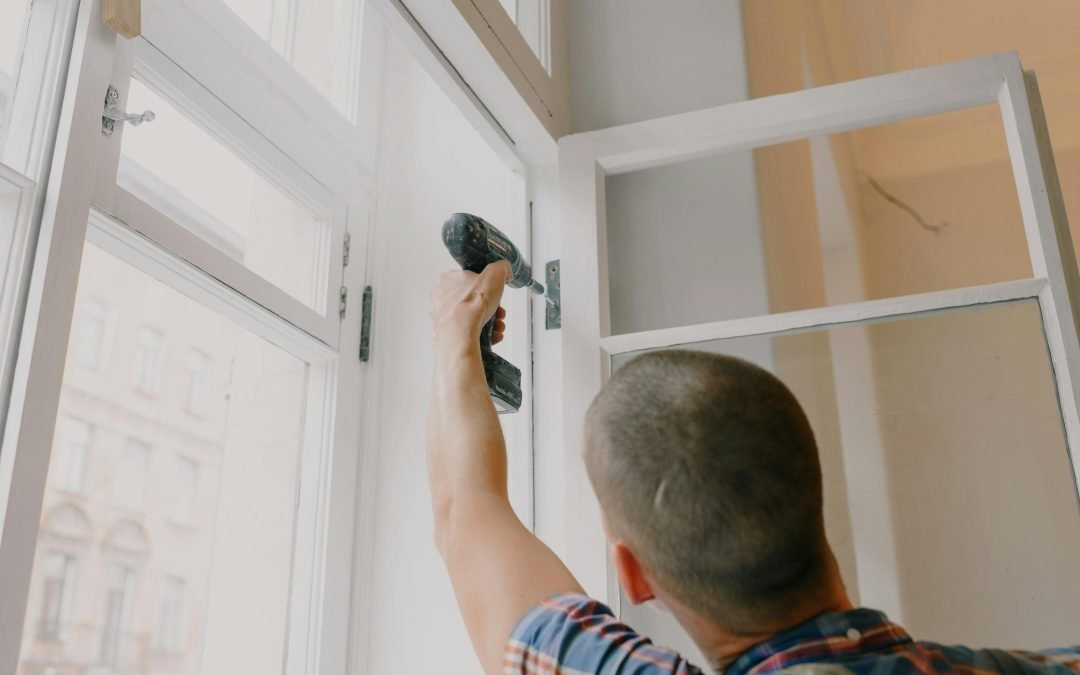
If you’re planning to finish your basement or turn it into a living space, there’s one upgrade you can’t skip—egress window installation. Not only is it required by building codes in most areas, but it also adds safety, natural light, and even resale value to your home.
But what exactly is an egress window, and what should you expect during the installation process? Let’s break it down.
What Is an Egress Window?
An egress window is a window that’s large enough for a person to exit through in case of an emergency—such as a fire—and for emergency responders to enter. These are typically installed in basements or below-grade bedrooms, and are required by most building codes if the basement is used as a sleeping area.
According to the International Residential Code (IRC), an egress window must meet these basic requirements:
- Minimum opening width: 20 inches
- Minimum opening height: 24 inches
- Minimum net clear opening: 5.7 square feet
- Maximum sill height: 44 inches above the floor
These dimensions ensure that anyone can safely escape in an emergency and that firefighters can get in if needed.
Why Is Egress Window Installation So Important?
Here are a few key reasons why homeowners invest in egress window installation:
✅ Safety First
If you’re using your basement as a bedroom, living area, or rental unit, a second exit is crucial in case your main stairwell is blocked. Egress windows literally save lives.
✅ Building Code Compliance
Finishing a basement without installing an egress window could violate local building codes. If you try to sell your home later, this could lead to delays or costly retrofitting.
✅ Natural Light and Ventilation
Basements often feel dark and stuffy. Egress windows bring in sunlight and fresh air, making the space feel more like the rest of your home.
✅ Increased Property Value
Adding livable square footage—like a legal basement bedroom—can boost your home’s resale value. And appraisers often factor in safety upgrades like egress windows.
What’s Involved in Egress Window Installation?
Installing an egress window isn’t a simple weekend DIY project—it usually requires:
- Excavation around the foundation where the window will go
- Cutting into the foundation wall, typically concrete or block
- Framing and waterproofing the opening
- Installing a window well, which includes a drainage system and sometimes a ladder
- Sealing and finishing both inside and outside
Professional installers often complete the job in 2 to 3 days, depending on weather, soil type, and foundation thickness.
How Much Does Egress Window Installation Cost?
Costs can vary widely based on location, foundation type, and window style, but here’s a general range:
- Basic installation: $2,500–$4,000
- With excavation and custom well: $4,500–$6,500+
- High-end upgrades (drainage, finishes): $7,000+
While this may seem like a big investment, remember: it adds safety, function, and long-term value to your home.
Tips for Choosing a Contractor
Since egress window installation requires cutting into your foundation, it’s crucial to hire experienced professionals. When choosing a contractor:
- Ask if they’re licensed and insured
- Request photos of past installations
- Check online reviews and ask for references
- Make sure they understand local building codes
- Get a detailed estimate and timeline
If you’re in Massachusetts, companies like Martinez Construction MA specialize in basement remodeling and structural work, including expert egress window installations with code compliance and clean finish work.
Final Thoughts
An egress window installation isn’t just about following code—it’s about making your basement safer, brighter, and more usable. Whether you’re finishing your space for guests, rental income, or just want more living area, it’s a smart, long-term upgrade.
So before you move in furniture or paint the walls, make sure your basement meets safety standards with a properly installed egress window. It could make all the difference in an emergency—and it’s a great way to protect your investment.