
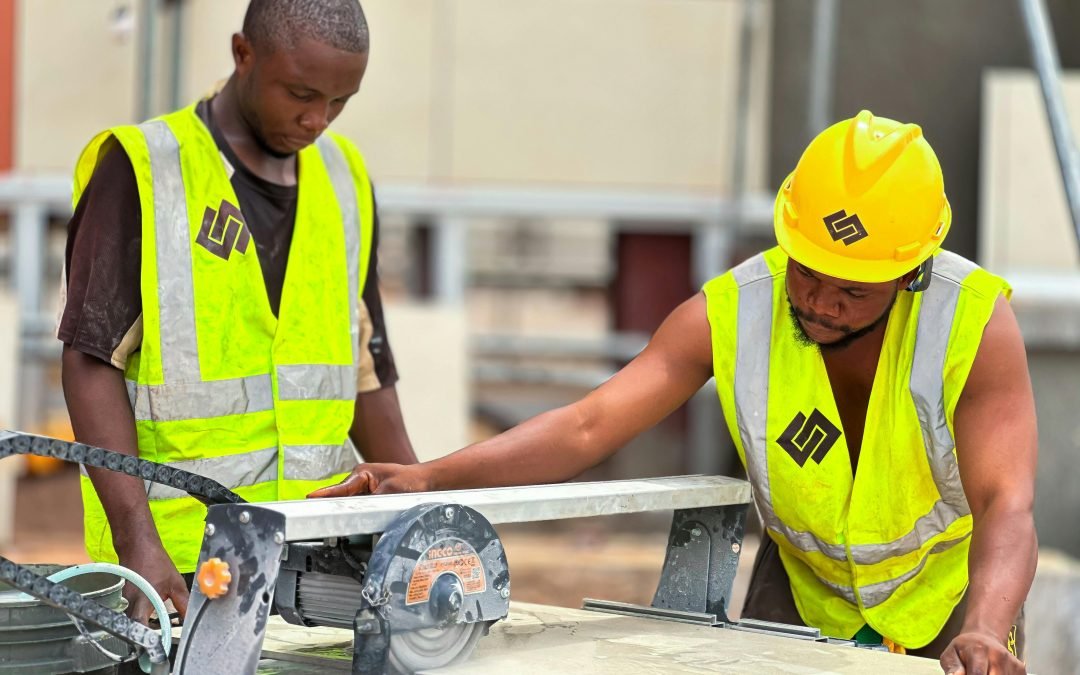
Walk onto almost any construction site today and you will hear the same concern repeated by supervisors, contractors, and project managers. There simply are not enough skilled workers to keep up with demand. Homes, commercial buildings, and infrastructure projects are all competing for a shrinking pool of trained tradespeople.
That challenge is exactly why how skilled trades workforce training programs are closing the construction labor gap has become such a critical topic in the industry. These programs are reshaping how people enter construction careers and helping employers find the talent they urgently need.
According to the U.S. Bureau of Labor Statistics, construction employment is expected to grow steadily over the next decade, with hundreds of thousands of job openings each year due to both expansion and retirements. Yet many of those positions remain unfilled because of a lack of training pathways.
Skilled trades training programs are stepping in to change that reality.
The Construction Industry Faces a Growing Labor Shortage
The construction labor gap did not appear overnight. It has been building for years due to several factors:
- Aging workforce and retirements
- Declining interest in trade careers
- Rising demand for new construction
- Limited vocational education exposure in schools
Many experienced tradespeople are retiring faster than new workers are entering the field, leaving employers struggling to maintain project timelines.
This imbalance is one of the biggest reasons how skilled trades workforce training programs are closing the construction labor gap has become such an important workforce solution.
What Skilled Trades Training Programs Actually Do
Skilled trades training programs are designed to prepare individuals for hands-on careers in construction and related industries.
These programs typically include:
- Classroom instruction on technical skills
- On-the-job apprenticeships
- Safety training and certification
- Equipment handling practice
- Mentorship from experienced professionals
Instead of requiring a four-year college degree, these programs focus on practical, job-ready skills that lead directly to employment.
Apprenticeships Are a Key Part of the Solution
Apprenticeship programs are one of the most effective ways to enter the construction workforce.
They allow participants to:
- Earn wages while training
- Gain real job site experience
- Learn directly from experienced tradespeople
- Build industry certifications over time
This combination of learning and earning makes apprenticeships attractive for people who want stable careers without traditional college debt.
Training Programs Help Reduce Skill Gaps Quickly
One of the biggest advantages of workforce training is speed.
Instead of waiting years for new professionals to enter the field, training programs can prepare workers in months or a few years depending on the trade.
This helps employers:
- Fill vacancies faster
- Reduce project delays
- Improve workforce reliability
- Maintain consistent quality standards
This is a major reason how skilled trades workforce training programs are closing the construction labor gap across many regions.
Construction Offers Strong Career Opportunities
Many people are surprised to learn how many career paths exist in construction.
Skilled trades include roles such as:
- Electricians
- Plumbers
- Welders
- Carpenters
- HVAC technicians
- Heavy equipment operators
According to the National Center for Construction Education and Research, skilled trades careers often offer competitive wages and long-term job stability without requiring a traditional college degree.
Schools and Community Programs Are Getting Involved
High schools and community colleges are increasingly offering trade-focused programs.
These programs help students:
- Explore construction careers early
- Learn technical skills before graduation
- Earn certifications while in school
- Transition directly into apprenticeships or jobs
Early exposure is helping shift perceptions about skilled trades as valuable and rewarding career paths.
Technology Is Modernizing Training Programs
Construction is no longer just manual labor. Modern job sites use advanced tools and technology.
Training programs now include instruction in:
- Digital blueprint reading
- Construction software
- Safety monitoring systems
- Laser measurement tools
- Smart equipment operation
This helps workers stay current with industry changes and improves overall efficiency.
Employers Are Partnering With Training Programs
Many construction companies are now directly involved in workforce development.
They often:
- Sponsor apprenticeships
- Offer job placements after training
- Provide equipment and instructors
- Collaborate with trade schools
These partnerships help ensure training programs match real industry needs.
Diversity and Inclusion Are Improving Workforce Access
Skilled trades programs are also helping open doors for more diverse groups of workers.
They provide opportunities for:
- Young adults entering the workforce
- Career changers
- Veterans
- Underrepresented communities
By removing barriers to entry, training programs are expanding the talent pool significantly.
Reducing Labor Costs and Project Delays
A shortage of skilled workers can increase construction costs and delay project completion.
Training programs help reduce these issues by:
- Increasing workforce availability
- Improving skill consistency
- Reducing reliance on expensive subcontractors
- Speeding up project timelines
This creates more predictable outcomes for contractors and clients.
Hands-On Learning Builds Confidence
One of the most effective parts of trades training is hands-on experience.
Workers learn by:
- Building real structures
- Operating equipment
- Solving on-site problems
- Working alongside experienced mentors
This practical approach builds confidence and job readiness much faster than classroom-only learning.
Certification Improves Job Quality and Safety
Many programs include certification requirements that ensure workers meet industry standards.
Certifications help improve:
- Workplace safety
- Technical accuracy
- Professional credibility
- Employer trust
Safer job sites also lead to fewer delays and accidents.
Economic Growth Depends on Skilled Labor
Construction plays a major role in infrastructure development, housing, and commercial expansion.
Without enough skilled workers:
- Projects slow down
- Housing supply becomes limited
- Infrastructure improvements are delayed
That is why strengthening the workforce is essential for long-term economic growth.
Why These Programs Matter More Than Ever
The demand for construction is not slowing down. Cities continue to expand, housing needs continue to grow, and infrastructure upgrades remain a priority.
Skilled trades workforce programs ensure that:
- New workers are trained consistently
- Employers can fill critical roles
- Industry growth is sustainable
This is a key reason how skilled trades workforce training programs are closing the construction labor gap is becoming a central focus for policymakers and industry leaders.
Conclusion
The construction industry depends on skilled, reliable workers to build the homes, roads, and buildings that communities rely on every day. But a growing labor shortage has made it harder for companies to keep up with demand.
Skilled trades workforce training programs are helping close that gap by providing practical education, hands-on apprenticeships, and clear career pathways into the industry. From reducing delays and improving safety to expanding job opportunities and supporting economic growth, these programs are reshaping the future of construction.
As more schools, employers, and communities invest in training, the labor gap becomes smaller and the industry becomes stronger.