
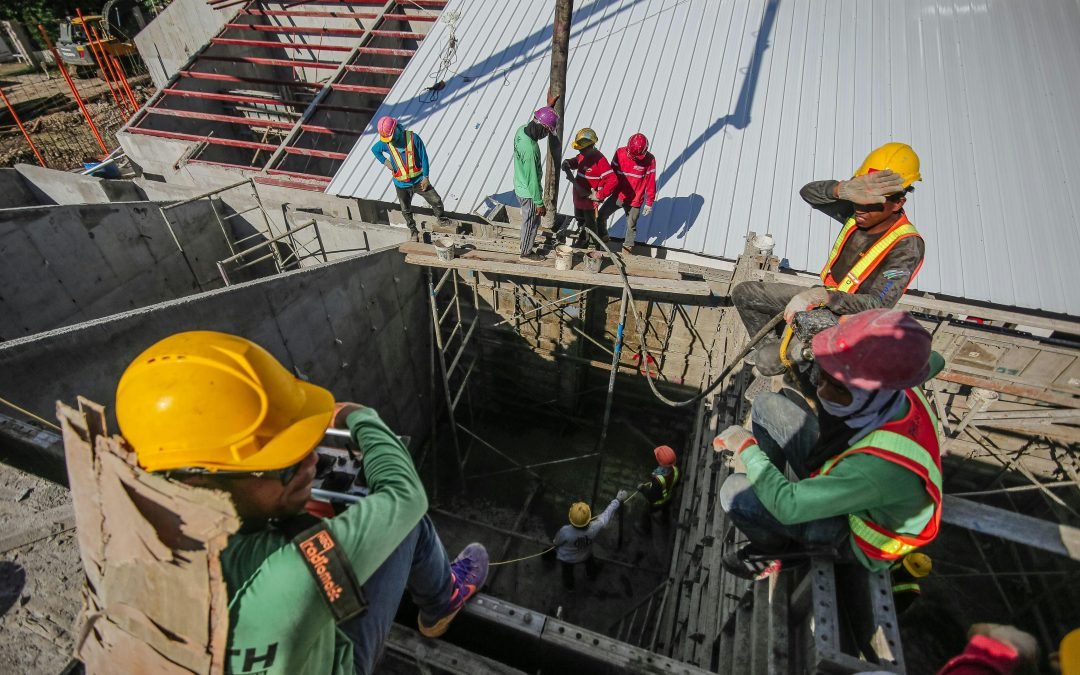
Managing a construction or renovation project comes with many challenges, and one of the most critical is ensuring you have the right team in place. Supplying crews for job sites is essential for meeting deadlines, maintaining quality, and keeping projects on budget. Without skilled, reliable crews, even the best-laid plans can face delays and cost overruns.
Why Supplying Crews for Job Sites Is Crucial
According to the Associated General Contractors of America, labor shortages are one of the top concerns for construction companies in 2024. Supplying crews for job sites ensures that projects have the manpower needed to complete tasks efficiently. Whether you are handling a small residential renovation or a large commercial build, having the right crew in place impacts safety, productivity, and overall success.
A well-staffed job site reduces downtime and prevents bottlenecks that can slow progress. It also allows project managers to focus on planning and quality control instead of constantly troubleshooting staffing issues.
Assessing Project Needs
Before supplying crews for job sites, it’s essential to understand the project’s requirements. Consider:
- Scope of work: Determine the types of tasks, such as framing, electrical, plumbing, or painting
- Timeline: Identify deadlines for each phase to ensure adequate staffing
- Skill levels: Match crew members’ experience and expertise to specific tasks
Accurate assessment ensures that each job site has the right number of workers with the proper skills to keep the project moving smoothly.
Hiring the Right Crew
Finding and hiring qualified workers is a critical step. Tips for supplying crews for job sites include:
- Verify certifications and licenses for specialized work
- Check references and previous project experience
- Focus on safety training and compliance with OSHA standards
- Consider subcontractors for specialized tasks
A reliable crew is not just about numbers. Skill, professionalism, and safety awareness are key factors for successful project completion.
Scheduling and Coordination
Efficient scheduling ensures that crews are on-site when needed without overcrowding or downtime. Best practices include:
- Use project management software to track tasks, crew availability, and progress
- Communicate schedules clearly to avoid confusion
- Build in flexibility for unexpected delays or changes in scope
- Coordinate deliveries of materials with crew availability
Proper coordination helps maximize productivity while minimizing wasted time and resources.
Safety and Compliance
Safety is a top priority when supplying crews for job sites. According to the Bureau of Labor Statistics, the construction industry accounts for a significant percentage of workplace injuries. Ensuring safety measures are in place protects workers and keeps projects running smoothly. Key considerations include:
- Personal protective equipment (PPE) for all workers
- Daily safety briefings and site inspections
- Compliance with OSHA and local safety regulations
- Clear protocols for emergency situations
A safe job site reduces accidents, legal risks, and potential delays.
Benefits of Supplying Crews Efficiently
Properly managing crew supply has several advantages:
- Improved productivity: Teams can focus on their tasks without waiting for missing members
- Higher quality work: Skilled crews deliver better results with fewer errors
- On-time project completion: Adequate staffing ensures timelines are met
- Cost control: Reduces overtime and prevents delays that increase expenses
Efficient crew supply is a cornerstone of successful construction project management.
Outsourcing Crew Supply
Many companies find it beneficial to partner with staffing agencies or contractors for crew supply. Advantages include:
- Access to pre-screened, qualified workers
- Flexibility to scale crews up or down as project needs change
- Reduced HR and recruitment responsibilities
- Quick deployment for urgent projects
Outsourcing can simplify staffing, allowing project managers to focus on other critical aspects of the build.
Tools and Technology
Modern tools can help streamline the process of supplying crews for job sites. Consider using:
- Workforce management software to track attendance, skills, and assignments
- Mobile apps for real-time communication between crews and managers
- Scheduling platforms that integrate with project timelines and supply deliveries
Technology enhances efficiency, communication, and accountability on job sites.
Planning for Peak Periods
Construction projects often experience peak periods where labor needs spike. Preparing ahead ensures smooth operations:
- Maintain a roster of on-call workers for urgent needs
- Plan for seasonal labor shortages by hiring early
- Cross-train crew members to handle multiple tasks
Anticipating peak demands reduces stress, prevents delays, and keeps projects on schedule.
Conclusion: Mastering Crew Supply for Job Sites
Supplying crews for job sites is more than filling positions—it’s about strategic planning, safety, skill matching, and coordination. Projects run more smoothly, on time, and on budget when crews are properly managed. By assessing needs, hiring qualified workers, implementing efficient scheduling, and leveraging technology, businesses can maintain high productivity and quality across all their job sites.
Remember, a well-supplied crew is a foundation for success. Invest in planning, communication, and safety to keep projects on track and achieve the best results possible.