
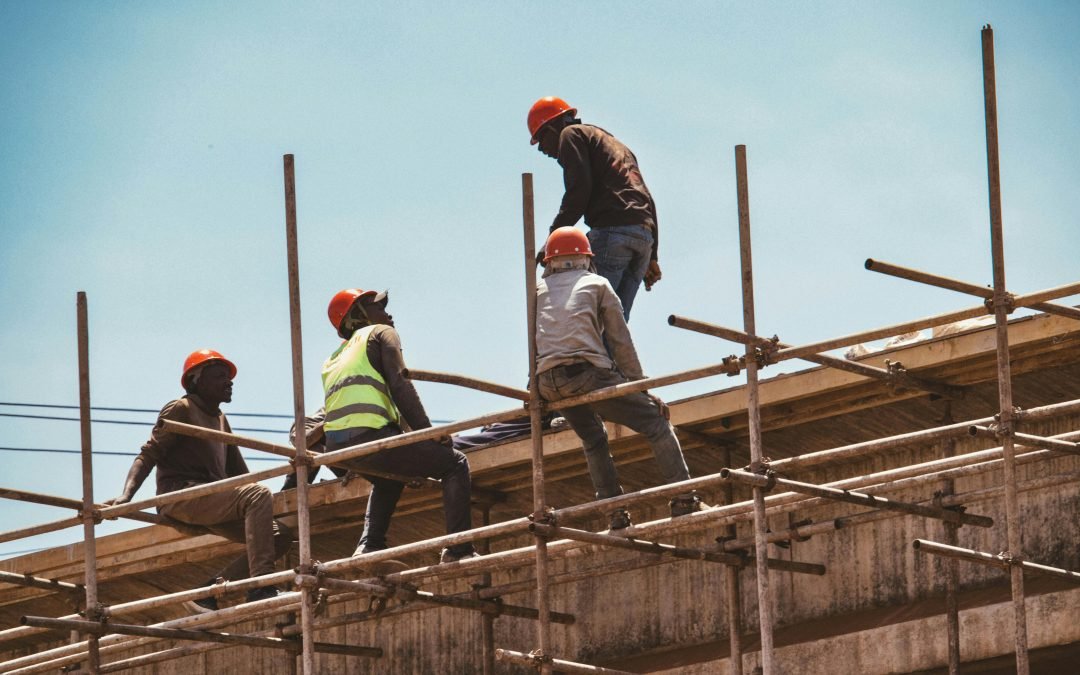
Construction sites are busy, loud, and constantly changing which makes them places where safety should never be an afterthought. A single overlooked detail can lead to serious injuries. According to the Occupational Safety and Health Administration, one in five worker fatalities in the United States occurs in construction. That statistic alone shows why following essential safety practices for construction worksites is not just recommended, it is absolutely necessary.
Whether you manage a team, run a company, or work on-site every day, understanding these safety habits helps create a protected environment where everyone can do their jobs with confidence.
Why Safety Needs to Come First on Every Worksite
Construction environments involve heavy machinery, power tools, heights, and unpredictable conditions. Without clear rules and good habits, the risks increase quickly. Safety practices help prevent accidents and support smoother workflow because workers can focus on the job without constant worry.
Putting essential safety practices for construction worksites into place also builds trust. Teams feel valued when they know their well-being matters, and that boosts productivity and morale.
Wear Proper Personal Protective Equipment
One of the simplest yet most effective ways to stay safe is wearing personal protective equipment. PPE is designed to protect workers from common hazards and must be worn consistently rather than occasionally.
Essential PPE includes:
- Hard hats
- High visibility vests
- Steel toe boots
- Safety glasses
- Ear protection
- Gloves
Training workers on how to choose, use, and maintain their PPE is one of the essential safety practices for construction worksites that prevents avoidable injuries.
Keep Work Areas Clean and Organized
A cluttered site is a dangerous site. Tools left on the ground, scattered materials, or blocked walkways increase the chances of slips, trips, and falls. Setting up designated storage areas and keeping paths clear make the worksite safer for everyone.
This practice also improves efficiency since workers spend less time searching for tools or working around obstacles.
Properly Train All Workers
Even the most experienced workers need ongoing training. Regulations change, equipment updates, and site conditions vary, so training should be continuous. New workers especially should never be expected to learn as they go on tasks that involve risks.
Regular training sessions help reinforce essential safety practices for construction worksites and ensure everyone understands emergency procedures, equipment operation, and hazard awareness.
Inspect Equipment and Tools Daily
Machinery and tools undergo heavy use which means they can fail if not inspected often. A quick daily check can save workers from serious injuries caused by malfunctioning equipment.
A good inspection routine should include:
- Checking power cords
- Ensuring safety guards are attached
- Testing brakes and controls
- Looking for leaks or cracks
Reporting and fixing issues immediately helps maintain a reliable and safer work environment.
Secure the Worksite Properly
Worksites must be protected from both internal and external risks. Fences, warning signs, and restricted areas prevent unauthorized access. Proper barriers and guardrails should be installed around elevated surfaces and open trenches.
Even small steps such as marking hazardous zones clearly can prevent serious accidents.
Practice Safe Lifting and Material Handling
Improper lifting causes many workplace injuries. Teaching workers how to lift items correctly, use carts or hoists, and ask for help when needed reduces strain and prevents back injuries.
Simple reminders like bending the knees and keeping the load close to the body go a long way. Encouraging good lifting habits is another important part of essential safety practices for construction worksites.
Prepare for Emergencies Before They Happen
Emergencies can happen any time which is why workers should know exactly what to do. Every site should have clear plans for:
- Fires
- Chemical spills
- Severe weather
- Medical emergencies
Routine drills help workers stay calm and respond efficiently. Easy access to first aid kits and fire extinguishers also ensures that help is available when it is needed most.
Communicate Clearly and Frequently
Construction sites are noisy and fast paced. Without clear communication, the risk of accidents increases. Workers should use hand signals, radios, or designated communication methods to keep everyone informed.
Daily safety meetings or brief huddles help teams plan the day, identify risks, and reinforce essential safety practices for construction worksites. This keeps everyone aligned and aware of potential changes in site conditions.
Follow Fall Protection Standards
Falls remain one of the most common causes of construction injuries. Guardrails, safety nets, and harnesses should always be used when working at heights. Workers must be trained on how to anchor their harnesses correctly and how to inspect their gear.
Never skip fall protection rules since they often make the difference between a close call and a life threatening accident.
Conclusion: Safety Is a Team Effort
Creating a safe construction site takes commitment from everyone on the team. When workers follow essential safety practices for construction worksites, the entire environment becomes more productive, efficient, and secure. Safety is not a one time task, it is a daily habit that keeps people protected and keeps projects running smoothly.