
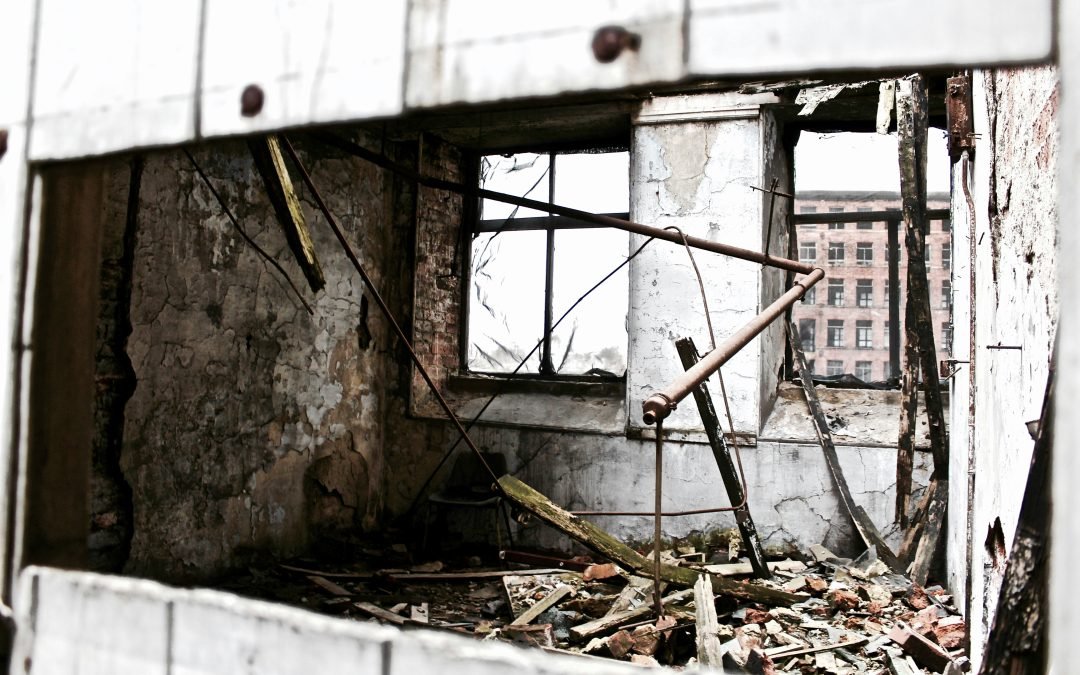
Demolition might look like controlled chaos, but there’s a lot more to it than swinging a wrecking ball. Behind every successful tear-down is a strict checklist of safety protocols. If you’re wondering about the most important safety measures for building demolition, you’re in the right place.
Demolition work is dangerous. In fact, according to OSHA, the construction and demolition industry sees a high number of workplace injuries and fatalities every year. That’s why planning, communication, and control are key from start to finish.
Here’s a clear breakdown of the safety measures that should always be followed on any demolition site—big or small.
1. Pre-Demolition Assessment and Planning
Before any wall comes down, a detailed assessment is essential. This includes:
- Surveying the building structure
- Identifying potential hazards (like asbestos or lead paint)
- Reviewing architectural drawings
- Consulting engineers if needed
Why it matters: Planning reduces surprises and helps select the safest demolition method—manual, mechanical, or implosion.
2. Obtain Proper Permits
No demolition should begin without legal approval. Ensure you:
- Apply for local building and demolition permits
- Notify utility companies
- Adhere to zoning and environmental laws
Skipping this step can lead to fines, project delays, or worse—accidents.
3. Shut Off Utilities
This is one of the most critical safety measures for building demolition. Before any demolition starts, make sure:
- Gas, water, and electricity lines are shut off
- All utility disconnections are verified and documented
- Sprinkler systems are drained if required
Active utility lines can pose fire, explosion, or flooding risks.
4. Create a Safety Plan
A site-specific safety plan should include:
- Emergency evacuation procedures
- First-aid response and contact info
- Location of fire extinguishers and medical kits
- Safety roles and responsibilities for crew members
This plan should be communicated during pre-job meetings and kept easily accessible.
5. Use Personal Protective Equipment (PPE)
Every worker on site must wear appropriate PPE, including:
- Hard hats and safety goggles
- Steel-toed boots
- Respirators or dust masks
- High-visibility vests
- Gloves and hearing protection
Pro tip: Conduct regular checks to make sure gear is being used correctly.
6. Install Fencing and Signage
The demolition zone should be completely restricted with:
- Safety fencing or barricades
- “Keep Out” or “Danger: Demolition in Progress” signs
- Controlled access points for authorized personnel only
This helps prevent accidents involving the public or untrained workers.
7. Control Dust and Debris
Dust can carry harmful particles and reduce visibility. Best practices include:
- Using water sprays to suppress dust
- Covering debris piles with tarps
- Cleaning up debris daily
For interior demolitions, negative air machines and sealed-off areas help contain airborne contaminants.
8. Monitor Structural Stability
Demolition often happens in phases, so remaining sections of the structure must be monitored for:
- Signs of collapse
- Cracks or stress points
- Shifting or leaning
Temporary bracing may be required, especially in partial demolitions.
9. Equipment Safety and Operator Training
Heavy machinery like excavators, bulldozers, or wrecking balls must be:
- Operated only by licensed professionals
- Routinely inspected for defects
- Used according to the manufacturer’s guidelines
Improper use or faulty equipment is one of the top causes of demolition site accidents.
10. Emergency Preparedness
Things can still go wrong, so being ready is crucial. This includes:
- Keeping a first aid team or personnel on-site
- Making sure everyone knows how to shut off machinery quickly
- Having fire extinguishers and spill kits available
- Practicing drills for different scenarios (collapses, fires, injuries)
Final Thoughts
Following the right safety measures for building demolition isn’t just about compliance—it’s about saving lives, protecting property, and keeping your project on track. Whether you’re a contractor, a project manager, or a property owner, make sure these ten safety steps are part of your demolition plan.
Stay safe, stay smart—and remember, proper preparation makes demolition a lot less destructive in the wrong ways.