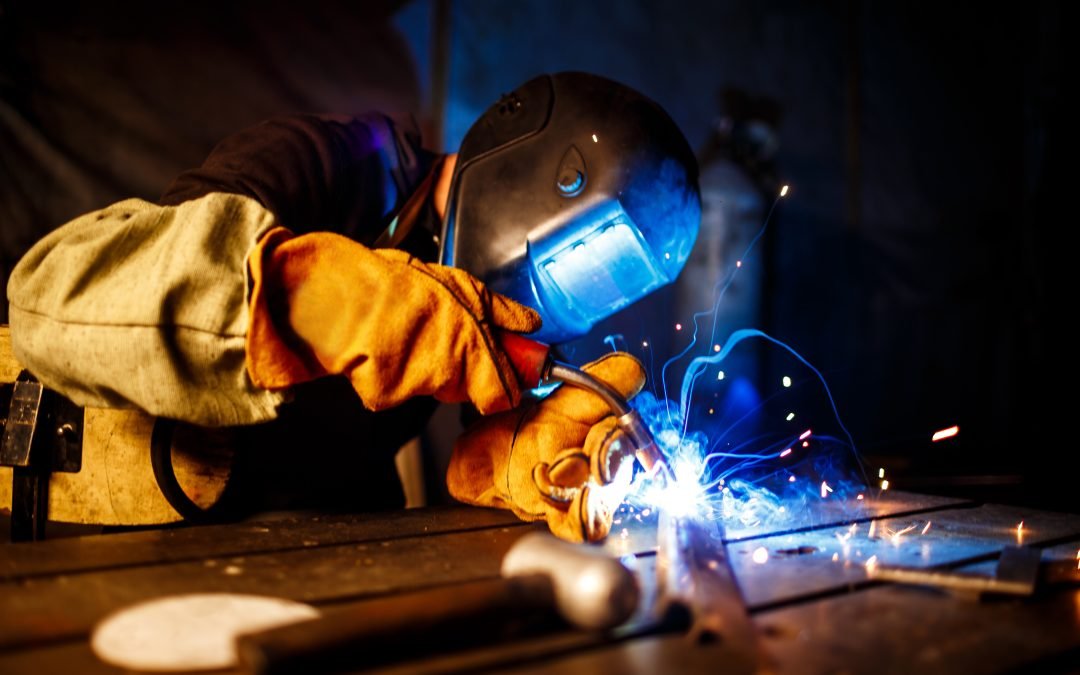
If you’re interested in welding or already working as a welder, you might have heard about welding certification. But what exactly is it, and why does it matter? Whether you’re just starting out or looking to advance your career, getting certified can open doors and prove your skills to employers.
Let’s dive into what welding certification is, why it’s important, and how you can get certified.
What Is Welding Certification?
Simply put, welding certification is a process where a welder demonstrates their ability to perform welding tasks to an accepted standard. This usually involves practical tests and sometimes written exams, depending on the certifying body.
Certification shows that you can weld safely, efficiently, and with the quality expected in the industry. It’s often required by employers and contractors for various welding jobs — especially in fields like construction, manufacturing, and pipeline work.
Why Is Welding Certification Important?
Here’s a quick fact to consider: According to the U.S. Bureau of Labor Statistics, certified welders typically have better job prospects and earn higher wages than those without certification.
Here’s why:
- Proof of skill: Certification is an official recognition of your welding abilities.
- Job requirement: Many companies and projects require welders to be certified before hiring.
- Safety assurance: Certified welders know how to maintain safety standards on the job.
- Career growth: Certification can lead to higher pay, promotions, and specialized roles.
Simply put, welding certification gives you an edge in a competitive job market.
Types of Welding Certifications
There are different types of certifications depending on the welding process and industry standards. Some of the most recognized include:
- AWS (American Welding Society) Certification: This is one of the most popular certifications and covers various welding processes like SMAW, GMAW, GTAW, and FCAW.
- ASME Certification: Mainly used for welders working on pressure vessels and boilers.
- API Certification: For welders working in the oil and gas industry, focusing on pipelines and storage tanks.
Each certification focuses on specific skills, materials, and applications, so choosing the right one depends on your career goals.
How to Get Welding Certification
Getting certified is easier than you might think. Here’s a basic rundown of the steps:
- Learn the basics: Take a welding training course from a technical school or community college. Many programs prepare you for certification tests.
- Gain experience: Hands-on practice is crucial. The more welding you do, the better prepared you’ll be.
- Choose your certification: Decide which certification fits your career path. For example, AWS certifications are great for general welding, while ASME suits pipe welding.
- Pass the test: You’ll perform welding tasks under supervision, usually creating welds on test coupons. Your welds are inspected visually and sometimes with x-rays or other tests.
- Maintain your certification: Some certifications require renewal or continuing education to stay current.
Tips for Passing Your Welding Certification Test
- Practice, practice, practice: Make sure you’re comfortable with the welding process you’ll be tested on.
- Understand the code: Different certifications test to different codes (e.g., AWS D1.1), so study the relevant standards.
- Use proper safety gear: Demonstrating safe work habits is part of the assessment.
- Ask for feedback: If you’re training, get critiques from instructors to improve before testing.
How Welding Certification Can Impact Your Career
Getting welding certification can truly change the game for you. Certified welders often have access to:
- Higher-paying jobs: Many employers offer better wages to certified workers.
- More job opportunities: Some projects only accept certified welders.
- Specialized roles: Certification opens doors to niches like underwater welding or aerospace fabrication.
- Job security: Certified welders are more likely to be retained during layoffs or slowdowns.
In fact, many welders report increased confidence and job satisfaction after becoming certified.
Conclusion: Is Welding Certification Worth It?
Absolutely! Whether you’re a beginner or an experienced welder, welding certification validates your skills and helps you stand out. It’s an investment that pays off with better job prospects, higher pay, and greater career stability.
If you want to grow in the welding trade, start exploring certification programs near you and prepare yourself to take the next step.