
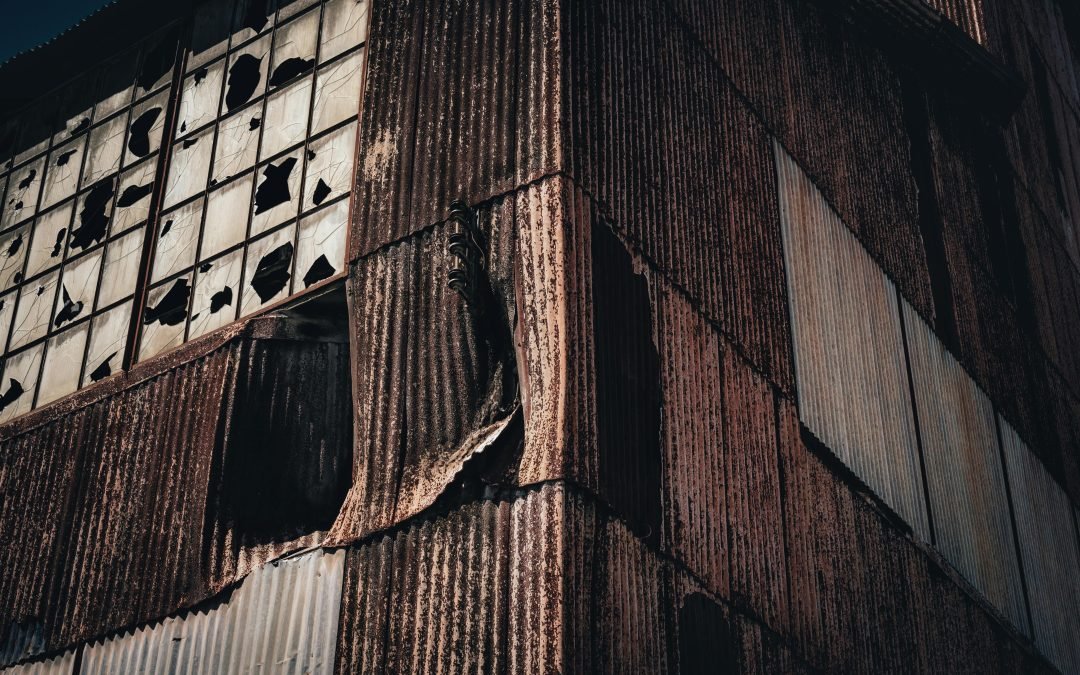
There’s something special about an old building—ornate woodwork, tall ceilings, brick façades, and character that can’t be recreated. But charm alone doesn’t meet today’s safety codes, energy standards, or business needs. That’s where retrofitting comes in.
If you’re wondering how to retrofit an old building for modern functionality while preserving its original soul, you’re in the right place. Let’s break it down into approachable steps, key decisions, and smart upgrades that work for both homes and commercial spaces.
Why Retrofit Instead of Rebuild?
Older buildings offer unique architectural value and, often, prime locations in historic districts or downtown areas. According to the National Trust for Historic Preservation, retrofitting an existing structure is often greener than demolishing and building new, because it preserves the energy already used in construction (also known as “embodied energy”).
More benefits:
- Preserves community heritage
- Often qualifies for historic tax credits
- Avoids demolition and material disposal costs
- Maintains property aesthetics and market value
Still, retrofitting takes planning, skill, and a deep understanding of building systems.
Step 1: Start With a Structural Assessment
Before you pick out new fixtures or design layouts, get a professional to assess the structural integrity of the building. You need to ensure the foundation, framing, and roofing are sound.
What the inspection should cover:
- Foundation cracks or settling
- Wood rot or termite damage
- Electrical panel capacity
- Plumbing age and materials
- Roof condition and insulation
- Hazardous materials like asbestos or lead paint
Skipping this step could lead to expensive surprises mid-project.
Step 2: Prioritize Safety and Code Compliance
One of the first goals when you retrofit an old building is to bring it up to current code—especially in areas like:
- Fire safety (sprinklers, exits, alarms)
- Seismic reinforcement (especially in older masonry)
- Electrical and plumbing system upgrades
- ADA compliance (ramps, elevators, accessible bathrooms)
Pro tip: Work with a contractor who knows your local building codes and can help you navigate inspections and permits with minimal delays.
Step 3: Improve Energy Efficiency Without Compromising Character
Old buildings are notoriously drafty and inefficient, but that doesn’t mean you need to tear out beautiful windows or cover exposed brick.
Smart energy retrofits include:
- Adding spray foam or rigid insulation in attics and walls
- Sealing air leaks around doors and windows
- Installing energy-efficient HVAC systems with smart thermostats
- Using double-glazed inserts behind existing windows
- Upgrading to LED lighting throughout the space
According to the U.S. Department of Energy, proper insulation and window sealing can cut heating and cooling costs by up to 30%.
Step 4: Preserve Architectural Features
One of the best parts of a retrofit is keeping the charm. Here are some popular features worth preserving or restoring:
- Exposed beams or brick
- Original hardwood floors
- Decorative moldings, ceiling medallions, or tin ceilings
- Antique staircases or railings
- Large wood-framed windows
Work with designers or architects who specialize in adaptive reuse—they’ll know how to highlight these features without compromising on function or safety.
Step 5: Modernize Layout and Use of Space
Older buildings often have chopped-up rooms or layouts that don’t suit today’s needs. Retrofitting allows you to open up spaces or reconfigure rooms while keeping the structural framework.
For example:
- Convert unused attics or basements into living or working areas
- Combine smaller rooms to create open-plan offices or living spaces
- Add modern bathrooms or kitchens in formerly underutilized corners
- Build flexible layouts with movable partitions for hybrid use
Just be sure to respect load-bearing walls and historic guidelines when making changes.
Step 6: Plan for Long-Term Maintenance
Even after the retrofit, old buildings require a bit more attention than new construction. Plan for:
- Routine inspections (roof, structure, HVAC)
- Annual sealing of brick or stone exteriors
- Regular checks of drainage and moisture levels
- Updates to building systems as tech improves
Creating a preventive maintenance schedule will save money and extend the life of your renovation.
Final Thoughts: Restore, Don’t Replace
When you retrofit an old building, you’re doing more than updating a structure—you’re preserving a piece of local history, honoring the craftsmanship of the past, and making it functional for today’s world. It’s an investment that pays off in aesthetics, sustainability, and long-term value.
Whether you’re converting a historic home, repurposing a downtown warehouse, or simply modernizing a dated office, a thoughtful retrofit keeps the best of both worlds intact.